Pennsylvania winters demand reliable heating. When temperatures drop below freezing and cold snaps bring single-digit readings, your furnace or heating system isn’t a luxury, it’s essential for your family’s safety and comfort. Advanced Harrisburg AC Repair provides complete heating services for Harrisburg homes, from emergency repairs to new system installations. Our technicians service all heating equipment types and keep Central Pennsylvania families warm through the coldest months.
Common Heating Problems in Harrisburg Homes
Certain heating issues occur regularly in our region:
- Furnace ignition failures prevent the burner from lighting, leaving you without heat. Modern furnaces use electronic ignition rather than standing pilot lights. Igniter problems, flame sensor issues, or gas valve failures can prevent ignition. You’ll hear the blower running but feel no warm air. These failures are common after long periods of inactivity and during the first cold snap when homeowners first fire up heating systems for the season.
- Cracked heat exchangers represent serious safety concerns. The heat exchanger transfers heat from combustion gases to circulating air without allowing the two to mix. Cracks allow carbon monoxide and other combustion gases to contaminate indoor air. Warning signs include visible cracks during inspection, soot accumulation inside the furnace, unusual flame patterns, carbon monoxide detector alarms, and frequent headaches or flu-like symptoms when the furnace runs.
- Cracked heat exchangers require immediate attention. In older furnaces (15+ years), replacement often makes more sense than heat exchanger replacement due to cost and the likelihood of additional failures.
- Blower motor problems prevent air circulation even when the furnace successfully heats air. You might notice no air from vents despite the furnace running, weak airflow insufficient to heat your home, or unusual noises like squealing, grinding, or banging from the air handler.
- Blower issues stem from failed capacitors, worn bearings, broken belts (on older systems), or motor failure. Most are repairable, though motor replacement becomes necessary if the motor burns out completely.
- Thermostat issues cause heating problems without furnace defects. Dead batteries, incorrect calibration, poor location (near drafts or heat sources), or faulty wiring create symptoms that mimic furnace failure. We verify thermostat operation before diagnosing furnace problems, preventing unnecessary repairs.
- Dirty or clogged air filters restrict airflow, causing multiple problems: overheating and safety shutdowns, insufficient heat delivery to rooms, higher energy bills, and premature component failure. This simple problem has an even simpler solution, regular filter changes. Yet it’s responsible for a significant percentage of service calls we receive.
Emergency Heating Repair Service
Heating failures during cold weather require immediate response. When outdoor temperatures drop below freezing, time without heat becomes a safety issue.
Our emergency heating repair service operates 24/7, including weekends and holidays. We prioritize calls based on severity, with no-heat situations in freezing weather receiving immediate dispatch.
Our technicians carry common replacement parts for all major furnace brands, allowing us to complete most emergency repairs on the first visit. We understand that middle-of-the-night service calls are stressful enough without being told we need to order parts and return in several days.
If your heating system fails, here’s what to do while waiting for our technician:
- Check your thermostat settings and batteries to rule out simple issues.
- Verify the furnace circuit breaker hasn’t tripped.
- Check your air filter—an extremely clogged filter triggers safety shutdowns.
- Keep family members warm with layered clothing and blankets.
- Use alternate heat sources safely—never use ovens for heat, and provide proper ventilation if using portable heaters or fireplaces.
Call (717) 535-1557 for immediate emergency dispatch.
New Heating System Installation
Modern heating technology provides remarkable improvements over equipment installed just 15-20 years ago. If your furnace is aging or requires expensive repairs, replacement might make better financial sense.
Gas Furnaces
Natural gas furnaces remain the most popular heating choice in Harrisburg due to reliable fuel supply and efficient operation. Modern high-efficiency furnaces achieve AFUE (Annual Fuel Utilization Efficiency) ratings of 95-98%, meaning 95-98% of fuel energy becomes useful heat. Compare this to older furnaces at 60-80% AFUE, substantial efficiency improvements that reduce heating costs.
Two-stage and modulating furnaces provide superior comfort compared to single-stage units. Instead of running full-blast every time they fire, these furnaces operate at lower capacity most of the time, only ramping up during extreme cold. This provides more consistent temperatures, quieter operation, better humidity control, and improved efficiency.
Variable-speed blower motors complement high-efficiency furnaces, moving air more precisely and quietly while using 75% less electricity than traditional motors.
Heat Pumps
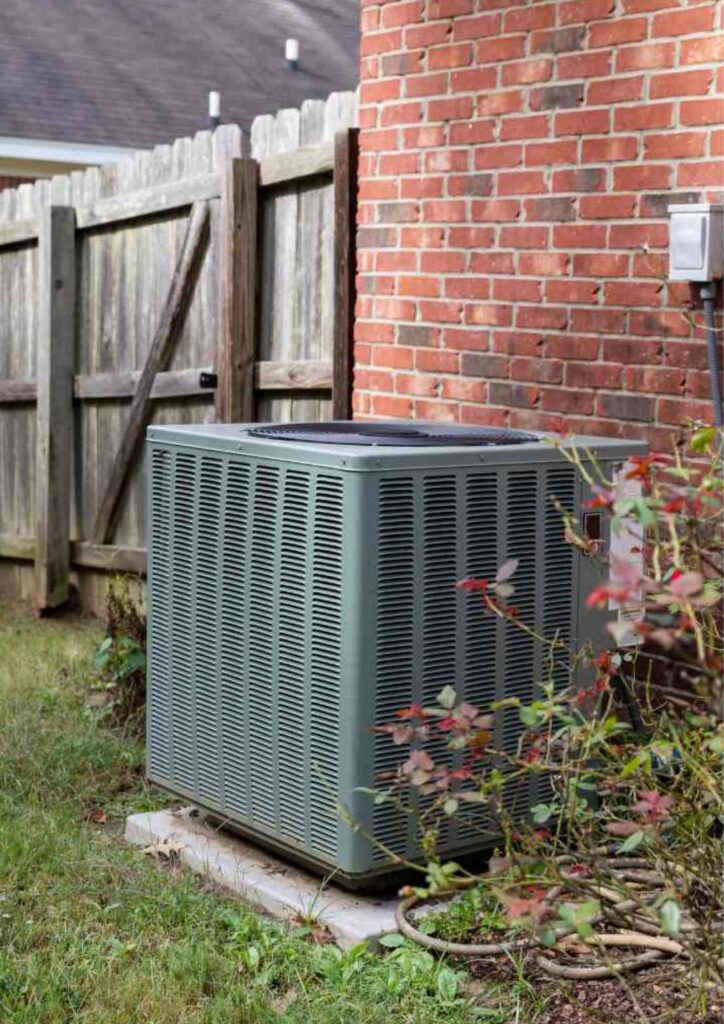
Heat pump technology has advanced to the point where these systems provide effective primary heating even during harsh Pennsylvania winters.
Cold-climate heat pumps operate efficiently down to -15°F. They extract heat from outdoor air and transfer it indoors using refrigeration principles. During milder weather (above 30°F), they provide heating at 2-3 times the efficiency of electric resistance heat and significantly better efficiency than gas furnaces.
As outdoor temperatures drop, efficiency declines but remains competitive with traditional heating until temperatures reach extreme lows. At that point, backup heating (either integrated electric strips or a separate gas furnace in a dual-fuel configuration) supplements the heat pump.
Heat pump advantages include exceptional efficiency during moderate weather, combined heating and cooling from one system, qualification for substantial federal tax credits (up to $2,000 in 2025), elimination of combustion and carbon monoxide risks, and reduced carbon footprint.
For homes currently using expensive fuel oil, propane, or electric resistance heat, heat pumps typically provide immediate operating cost savings. For homes with natural gas heat, heat pumps work best in dual-fuel configurations that automatically switch between the heat pump and gas furnace based on outdoor temperature and fuel costs.
Hybrid/Dual-Fuel Systems
Hybrid heating systems combine an electric heat pump with a gas furnace. Smart control systems automatically select the most efficient heat source based on outdoor temperature and relative fuel costs.
During mild weather (35-60°F), the heat pump handles all heating with excellent efficiency. As temperatures drop and heat pump efficiency decreases, the system automatically switches to the gas furnace. This provides optimal efficiency across all weather conditions while maintaining reliable heating during extreme cold.
Hybrid systems cost more upfront due to dual equipment, but they deliver maximum efficiency and fuel flexibility. Many Harrisburg homeowners appreciate the backup redundancy—if either system fails, the other provides emergency heating until repairs are completed.
Boilers and Radiant Heat
Homes with hydronic (hot water) heating systems use boilers rather than furnaces. Modern high-efficiency boilers achieve similar efficiency improvements as furnaces, with ratings exceeding 95% AFUE.
We service and install all boiler types including gas, oil, and electric models. Radiant floor heating, baseboard radiators, and radiator systems all require properly sized, efficiently operating boilers.
Boiler advantages include even, comfortable heat distribution, quiet operation (no forced air noise), excellent zoning capability, and compatibility with radiant floor systems.
Sizing and Installation Quality Matter
Like cooling systems, heating equipment must be properly sized. Load calculations based on your home’s characteristics determine accurate heating requirements.
Oversized furnaces short-cycle, wasting energy and creating uneven temperatures. Undersized units can’t maintain comfort during cold snaps. We size equipment properly, ensuring adequate capacity without unnecessary oversizing.
Installation quality directly affects efficiency, reliability, and safety. Our installation process includes:
- Proper venting sized according to manufacturer requirements and local codes. Incorrect venting creates dangerous carbon monoxide risks.
- Gas line sizing to ensure adequate fuel supply without pressure drops.
- Combustion air provisions to ensure sufficient oxygen for complete combustion.
- Condensate drainage for high-efficiency furnaces that produce water vapor.
- Proper electrical sizing and circuit protection.
- System commissioning that verifies all safety controls, airflow, temperature rise, and overall performance.
- Poor installation voids warranties and creates ongoing problems. We do it right the first time.
Furnace Maintenance Prevents Mid-Winter Breakdowns
Annual heating maintenance dramatically reduces the risk of unexpected failures during cold weather. Our comprehensive tune-up service includes:
- Inspecting and cleaning burners to ensure efficient combustion and complete fuel utilization.
- Testing ignition system components including igniter, flame sensor, and gas valve.
- Examining the heat exchanger for cracks or damage that could allow combustion gases into living spaces.
- Testing all safety controls including limit switches, pressure switches, and flame rollout protection.
- Checking and calibrating gas pressure for optimal combustion.
- Inspecting venting systems for blockages, deterioration, or improper installation.
- Testing carbon monoxide levels during operation to verify safe combustion.
- Lubricating motors and bearings to prevent failures.
- Checking blower operation, belt condition (on older systems), and airflow.
- Verifying proper thermostat operation and calibration.
- Inspecting electrical connections and testing voltage levels.
- Evaluating overall efficiency and safety.
Maintenance typically costs $100-150 but prevents the majority of common failures that result in $300-800 emergency service calls. More importantly, it ensures safe operation and gives you peace of mind that your heating system is ready for winter.
Safety Concerns with Heating Equipment
Heating systems involve combustion, gas, and high temperatures—all of which create potential hazards if equipment malfunctions:
Carbon monoxide poisoning represents the most serious risk. This odorless, colorless gas results from incomplete combustion. Cracked heat exchangers, improper venting, or combustion problems allow CO to enter living spaces. Symptoms include headaches, dizziness, nausea, and flu-like illness. High-level exposure can be fatal.
Every home with combustion heating should have working carbon monoxide detectors on every level, especially near sleeping areas. Test them monthly and replace batteries annually.
If your CO detector alarms:
- Immediately evacuate everyone to fresh air
- Call 911 from outside the home
- Don’t re-enter until emergency responders declare it safe
- Have your heating system inspected and repaired before using it again
Gas leaks from damaged lines, loose fittings, or faulty valves create fire and explosion risks. Natural gas has an added odor (smells like rotten eggs or sulfur) to aid detection.
If you smell gas:
- Don’t operate electrical switches or create any sparks
- Evacuate immediately
- Call your gas utility’s emergency line and 911 from outside
- Don’t return until cleared by emergency personnel
Fire hazards exist when furnaces are installed improperly, inadequately maintained, or operated with combustible materials nearby. Keep the area around furnaces clear of storage, debris, and flammable materials.
We take safety seriously, thoroughly testing all safety systems and recommending immediate repairs for any conditions that could endanger your family.
Heating Efficiency Tips
Beyond equipment upgrades, several practices improve heating efficiency:
- Program your thermostat to reduce temperatures when sleeping or away. Each degree of reduction saves about 1% on heating costs.
- Maintain filters religiously—dirty filters cost money and create problems.
- Keep supply vents and return grills unblocked by furniture, drapes, or storage.
- Seal air leaks around windows, doors, and penetrations to prevent warm air escape.
- Add insulation in attics to prevent heat loss through the roof.
- Use ceiling fans in reverse (clockwise) on low speed to circulate warm air trapped near the ceiling.
- Have ductwork inspected for leaks and seal any gaps that waste heated air in unconditioned spaces.
Whether you need emergency repair, routine maintenance, or a new heating system, we provide professional service backed by years of experience keeping Harrisburg families comfortable.
Call (717) 535-1557 for heating service or to schedule a free consultation for new system installation.